






VI. The cultural impact of Godzilla on Japanese cinema
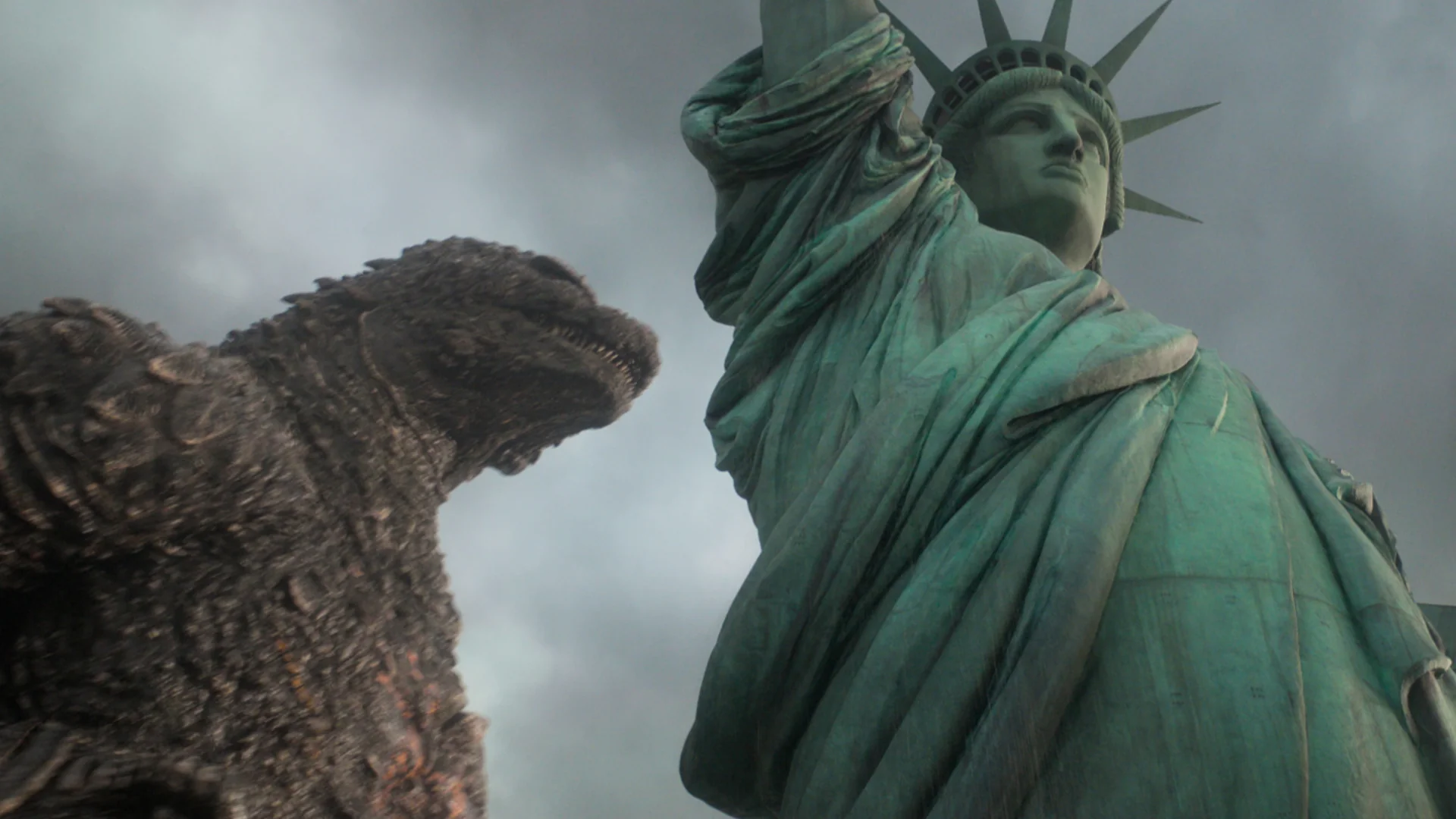
The cultural impact of Godzilla on Japanese cinema cannot be overstated. Since its debut in 1954, Godzilla has become an iconic symbol of Japan’s film industry and has left an indelible mark on popular culture worldwide. Through its colossal presence and destructive power, it has come to symbolize a range of deeper themes and emotions that resonate with audiences on a profound level.

Get Godzilla Gear and Memorabilia here!
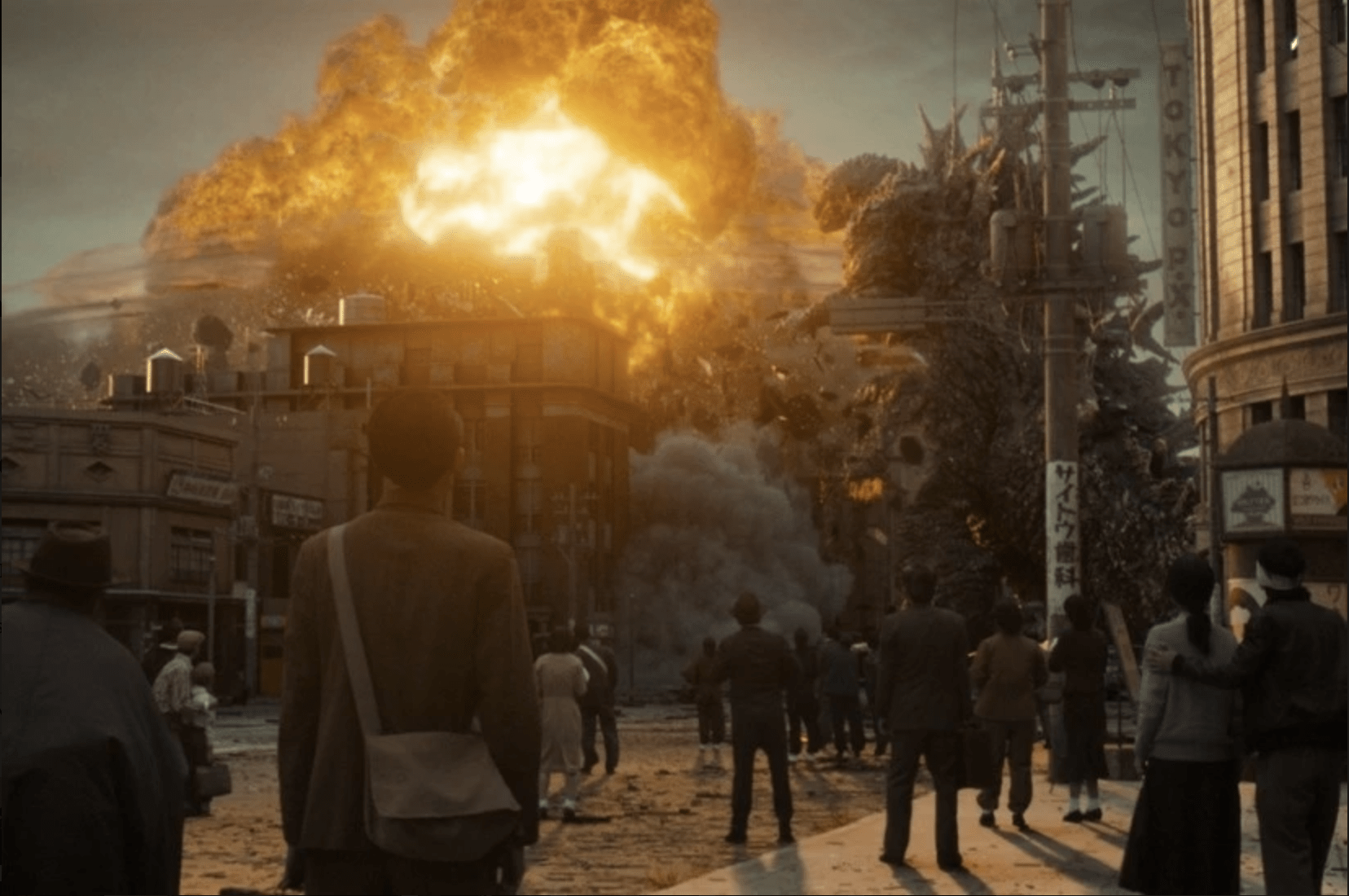
At its core, Godzilla represents the collective fears and anxieties of post-war Japan. The monster’s origin story, with its connection to nuclear weapons and the devastation wrought by the atomic bombings of Hiroshima and Nagasaki, is a poignant reflection of the nation’s past trauma. It serves as a metaphor for the destructive forces of nature and the potential consequences of mankind’s hubris in meddling with the natural world.
Over the decades, the franchise has evolved and adapted to reflect changing societal concerns. From its early days as a symbol of nuclear terror, Godzilla has transformed into a more complex and multi-dimensional character. The monster has been depicted as both a destructive force and a protector of humanity, showcasing the duality of its nature and the moral ambiguity of its actions.
The impact of Godzilla on Japanese cinema extends beyond its thematic significance. The success of the original film paved the way for a long-running franchise that has spanned numerous sequels, spin-offs, and reboots. It has become a cultural icon in Japan, inspiring countless imitators and influencing the genre of kaiju films.
Furthermore, the monster’s popularity has transcended national boundaries, captivating audiences around the world. The character’s distinctive design, with its towering stature and iconic roar, has become instantly recognizable and synonymous with giant monster movies. Godzilla has become a global cultural phenomenon, spawning a dedicated fan base and influencing filmmakers worldwide.
From its origins as a metaphor for the horrors of nuclear war to its status as a beloved pop culture icon, the King of the Monsters has left an enduring legacy that continues to captivate audiences and inspire filmmakers. The monster’s epic battles and profound themes have shaped not only the kaiju genre but also the broader landscape of cinema, making Godzilla an immortal legend in the annals of film history.
Continue to part 7…

Godzilla’s Filmography
Toho films
American films
| # | Title | Year | Director(s) | Effects supervisor | Monster co-star(s) | Current U.S. licenses |
|---|---|---|---|---|---|---|
| TriStar Pictures (1998) | ||||||
| 1 | Godzilla | 1998 | Roland Emmerich | Volker Engel | Baby Godzillas | Sony Pictures Home Entertainment |
| Legendary Pictures / MonsterVerse (2014–present) | ||||||
| 2 | Godzilla | 2014 | Gareth Edwards | Jim Rygiel | MUTOs (male and female) | Warner Bros. Home Entertainment |
| 3 | Godzilla: King of the Monsters | 2019 | Michael Dougherty | Guillaume Rocheron | King Ghidorah, Mothra, Rodan, Kong (archival footage), Queen MUTO, Behemoth, Methuselah, Scylla | |
| 4 | Godzilla vs. Kong | 2021 | Adam Wingard | John “DJ” DesJardin | Kong, Mechagodzilla, Skullcrawler, Warbat,[101] Hell Hawk | |
| 5 | Godzilla x Kong: The New Empire | 2024 | Alessandro Ongaro[103] | Kong | ||





Leave a Reply