








The Whispering Corridors Series
The Whispering Corridors film series (Korean: 여고괴담; Hanja: 女高怪談; RR: Yeogo goedam; also known as Ghost School and Ghost School Horror) is a chilling collection of South Korean horror movies that have left audiences captivated since its inception. With a unique blend of supernatural elements, psychological thrills, and a deeply rooted exploration of societal issues, these films have become iconic in the horror genre.
The series, which began in 1998 with the release of the first film, “Whispering Corridors,” quickly gained a reputation for its atmospheric storytelling and haunting visuals. Directed by Park Ki-hyung, this initial installment set the tone for what was to come, introducing audiences to a world where eerie occurrences unfold within the walls of an all-girls high school. The film taps into themes of friendship, betrayal, and the consequences of past actions, all while maintaining an unsettling atmosphere.
As the series progressed, it expanded beyond a simple anthology, with subsequent films adding layers of depth and complexity to the overall narrative. Each movie explored different aspects of the haunted school and its dark history, drawing audiences deeper into the mysteries and secrets that lurk within its corridors.
Throughout the series, various directors took the helm, infusing their own unique vision and style into each installment. From Kim Tae-yong’s thought-provoking exploration of societal pressures in “Memento Mori” to Yoo Il-han’s supernatural thriller “Wishing Stairs,” each director brought their own distinct touch to the Whispering Corridors universe.
Beyond the scares and suspense, the Whispering Corridors film series also serves as a reflection of South Korean society and its treatment of youth, education, and gender dynamics. The movies offer a rare glimpse into the experiences and struggles faced by students, highlighting the pressures they endure and the consequences that arise from societal expectations.
We will take a look at the directors behind the Whispering Corridors film series, exploring their unique contributions and creative visions. We will also take a closer look at the making of each film, uncovering the behind-the-scenes stories and challenges faced during production. Additionally, we will delve into the lore and haunting premise that sets this series apart, unraveling the mysteries and symbolism woven into the films.
So, prepare to immerse yourself in the eerie world of the Whispering Corridors film series, where the supernatural meets social commentary, and the horror remains even after the final credits fade away.

The Directors and Their Installments
The Whispering Corridors film series has captivated horror enthusiasts around the world with its eerie atmosphere and haunting storytelling. One of the key factors that contribute to the success of this series is the talented directors who have brought their unique visions to each installment.
In the first film, Whispering Corridors (1998), director Park Ki-hyung sets the tone for the series with his atmospheric and suspenseful approach. Known for his ability to create tension through meticulous pacing and expert framing, Park’s direction immerses viewers in the eerie hallways of the school where supernatural events unfold.
The second installment, Memento Mori (1999), introduces us to the directorial duo Kim Tae-yong and Min Kyu-dong. Their collaboration brings a fresh perspective to the series, exploring themes of love, identity, and the supernatural. With their innovative storytelling techniques and stunning visuals, Kim and Min infuse the film with a sense of mystery and melancholy.
Wishing Stairs (2003), the third film in the series is helmed by director Yun Jae-yeon. Known for her ability to create atmospheric horror films, Yun takes the supernatural elements to new heights in this installment. Her attention to detail and skillful use of sound and visual effects create a chilling and immersive experience for the audience.
Voice (2005) is directed by Choi Ik-hwan. This fourth part tells the story of Young Eun, a shy high school student who mysteriously dies while singing in the school music room. However, even in death, her best friend continues to hear Young-Eun’s voice. Though frightened by this supernatural turn of events, Sun-Min quickly adapts to the situation and tries to find out the reason for her friend’s untimely death. But when a mysterious death hits the campus, Sun-Min’s absolute trust in her late friend is quickly shaken. Were these murders committed by Young-Eun? Or could the culprit be someone more sinister?
A Blood Pledge: A Broken Promise (2009) the fifth installment, is directed by Jong-yong Lee. After his younger sister Eun-ju (Kyeong-ah Jang) commits suicide by jumping off the school roof, Jeong-eun (Shin-ae Yu) decides to investigate the unexpected incident further. When she speaks with three of her sister’s friends, she learns that the four girls had previously committed suicide and that Eun-ju was the only one who wholeheartedly agreed to it. But now that the other girls have abandoned their friends and broken their promises, Eun-ju is back from the afterlife to hold them accountable.
The Humming (2021), the sixth and most current entry is directed by Lee Myung. Eun-hee lost her memories of high school when a strange incident happened in the closed bathroom of her alma mater where she worked as a vice-principal. Meanwhile, Ha-Young becomes a victim of bullying at school and becomes a troublemaker at school.
One day, when Ha-Young goes into the bathroom of an abandoned school, she hears ghosts whispering in the bathroom. She believes the mystery is related to Eun-hee and after being framed, she suffers from visual impairment and auditory hallucinations. She also sees students with facial scars all over her alma mater, and she is convinced she was called there. Eun-yi and Ha-Young realize that a strange incident at school has something to do with the closure of the bathroom.
As fans of the series eagerly anticipate future installments, it is intriguing to see how each director’s vision will shape the ongoing lore and legacy of the Whispering Corridors universe.
The Making of the First Film
The first installment of the Whispering Corridors film series holds a significant place in the realm of Korean horror cinema. Released in 1998, this chilling film was directed by Park Ki-hyung, who expertly crafted a haunting and atmospheric experience for viewers.
Behind the scenes, the making of Whispering Corridors was a labor of love, with each aspect carefully planned and executed to create a truly eerie ambiance. The film was shot in various locations, including an actual girls’ high school which added an authentic touch to the setting. The cinematography employed by Park Ki-hyung played a pivotal role in intensifying the suspense and horror, employing dim lighting, long corridors, and eerie shadows to create an unsettling atmosphere.
The casting process for Whispering Corridors was equally meticulous, as the director sought out talented young actresses who could bring the characters to life. The performances delivered by the cast were exceptional, with each actress embodying the unique struggles and fears faced by the students in the film.
The screenplay, written by Park Ki-hyung and In Jung-ok, took on sensitive topics such as academic pressure, bullying, and the strict educational system prevalent in South Korea. This resonated with audiences, making the film more than just a typical horror flick.
With its thought-provoking themes, exceptional performances, and expertly crafted scares, the making of the first Whispering Corridors film set the foundation for the success of the entire series. It introduced audiences to a unique blend of horror, mystery, and social commentary that continues to captivate viewers to this day.


The Haunting Premise of the Series
The “Whispering Corridors” film series is renowned for its haunting premise. Each installment in the series takes us into the eerie and supernatural occurrences that take place within the corridors of various educational institutions.
One of the defining elements of the series is its ability to blend horror with the everyday setting of a school. This juxtaposition creates a sense of familiarity and relatability, making the supernatural elements all the more unsettling. The series explores themes of friendship, jealousy, betrayal, and the consequences of past actions, all while being intertwined with the supernatural.
The ghostly presence that haunts the corridors adds an extra layer of fear and intrigue to the storyline. These spirits, often linked to tragic events or unresolved grievances, serve as both a catalyst for the series’ events and a reflection of the characters’ inner demons.
As the series progresses, it goes deeper into the origins and mythology surrounding the haunting premise. Each film unveils more about the history of the school, the spirits that inhabit it, and the secrets that lie within its walls. This expansion of the lore adds depth and complexity to the overarching narrative, keeping audiences engaged and hungry for more.
Impact
The impact and reception of the Whispering Corridors film series cannot be overstated. Since the release of the first film in 1998, this haunting and atmospheric series has captivated audiences around the world. The series, known for its unique blend of horror, mystery, and psychological elements, has garnered a dedicated fanbase and critical acclaim. Each installment in the series offers a fresh take on the haunted school setting, delving into different aspects of the eerie lore that surrounds it.
Whispering Corridors not only revolutionized the horror genre in South Korea but also left an indelible mark on the global film industry. Its success paved the way for the resurgence of Asian horror cinema, inspiring a wave of similar films that followed.
Critics have praised the series for its atmospheric cinematography, skillful storytelling, and compelling performances. The chilling and suspenseful moments, coupled with the underlying themes of friendship, betrayal, and the pressures of academic life, resonate with audiences on a deep and emotional level.
The Whispering Corridors series has also sparked discussions and analysis among film enthusiasts and scholars. Its exploration of societal issues, such as the oppressive education system and the struggles faced by young women, adds another layer of depth to the series.
Over the years, the franchise has continued to evolve, with each new installment building upon the established mythology while introducing fresh perspectives and narratives. The enduring popularity of the Whispering Corridors series speaks volumes about its lasting impact on the horror genre and its ability to resonate with audiences of all backgrounds.
With its haunting premise, atmospheric storytelling, and exploration of the supernatural, the “Whispering Corridors” film series has become a must-watch staple in the horror genre that continues to leave its mark on the world of cinema. Whether you are a fan of ghost stories, psychological thrillers, or simply enjoy being scared, this series offers a chilling and captivating experience that will leave you questioning what lurks in the shadows of the corridors.
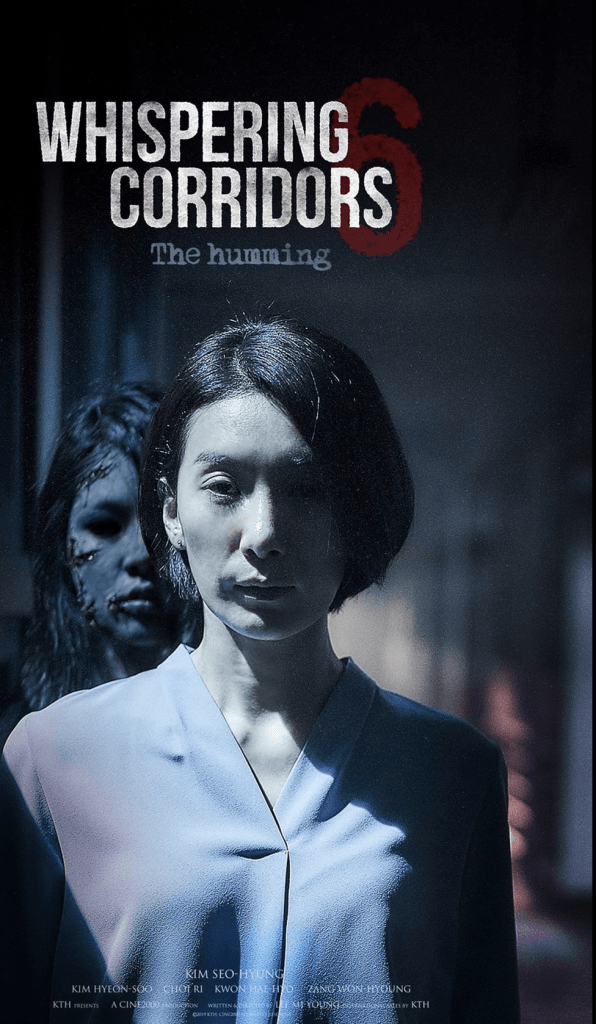
Watch part 6 here.
A physical copy is currently hard to find. Contact us if you find a distributor so we can add a link.






Leave a Reply