





Prologue
Asian horror films are filled with suspense, fear, and a sense of the unknown. These movies are known for their unique and innovative take on horror, and the way they use cultural myths and folklore to create a chilling atmosphere. One of the most popular and groundbreaking Asian horror films is Kairo (Pulse), which was released in 2001.
Directed by Kiyoshi Kurosawa, this movie is a perfect example of how Asian horror can be deeply unsettling and thought-provoking at the same time. In this post, we will take a closer look at Kairo, explore its themes, and examine how it has influenced the horror genre. So, if you’re ready to be scared and captivated, let’s delve into the haunting beauty of Asian horror with Kairo.
Watch or Listen to Tihs Article & Others as Podcasts

See purchase options for
Kairo (Pulse) on ebay

Lou gives this one 3.5 sets of horns for great chills.
Asian horror’s unique characteristics
Asian horror has long captivated audiences around the world with its distinct style and chilling narratives. From the spine-tingling J-horror of Japan to the eerie ghost stories of Thailand, Asian horror has carved out its own unique place in the genre.
One of the defining characteristics of it is its ability to evoke a sense of deep unease and psychological terror. Unlike its Western counterparts, which often rely on gore and jump scares, Asian horror takes a more subtle approach, focusing on atmospheric tension and building a sense of dread. This allows the audience’s imagination to run wild and creates a lasting impact that lingers long after the credits roll.
Another noteworthy aspect of Asian horror is its exploration of cultural themes and folklore. Drawing from rich traditions and beliefs, Asian horror films often incorporate elements of local myths, legends, and superstitions. This infusion of cultural context adds an extra layer of depth to the storytelling, making the films not only terrifying but also culturally significant.
Furthermore, it is renowned for its visual aesthetics. From the ethereal pale-faced ghosts of Japanese films to the vibrant and eerie settings found in Korean horror, the cinematography and art direction play a crucial role in creating an immersive and haunting atmosphere. The use of lighting, shadows, and sound design further enhance the spine-chilling experience, leaving audiences on the edge of their seats.
Origins and cultural influences on Asian horror
Asian horror films have gained a reputation for their distinct style, storytelling, and bone-chilling scares. To truly appreciate and understand the genre, it is essential to look into its origins and cultural influences.
Asian horror draws heavily from the rich folklore, legends, and superstitions deeply ingrained in the region’s culture. These elements provide a unique foundation for terrifying narratives that resonate with audiences across the globe.
One prominent aspect of Asian horror is the incorporation of supernatural entities and vengeful spirits. In many Asian cultures, there is a strong belief in the existence of ghosts and spirits, and these beliefs seep into the storytelling of horror films. Whether it’s the vengeful female ghost in Japanese films like “Ringu” or the malevolent spirits in Thai films like “Shutter,” these supernatural beings tap into the fears and anxieties deeply rooted in Asian societies.
Furthermore, it often explores themes of guilt, retribution, and the consequences of past actions. The concept of karma, prevalent in Eastern philosophies, is intricately woven into the narratives. Characters often face the repercussions of their wrongdoings, leading to a sense of dread and a moral lesson underlying the horror.
Cinematic techniques also play a crucial role in Asian horror. Directors effectively utilize atmospheric settings, eerie sound design, and slow-burn pacing to build tension and create a sense of unease. This deliberate approach allows the horror to gradually escalate, leaving audiences on the edge of their seats.
Moreover, Asian horror frequently incorporates psychological elements, blurring the line between reality and the supernatural. The exploration of the human psyche and the fragile nature of the mind adds layers of complexity to the storytelling, making the horror experience all the more unsettling.
Asian horror films are deeply rooted in cultural influences and traditions, offering a captivating blend of supernatural folklore, moral lessons, and psychological terror. By understanding the origins and cultural contexts that shape these films, viewers can fully appreciate their haunting beauty and lasting impact .

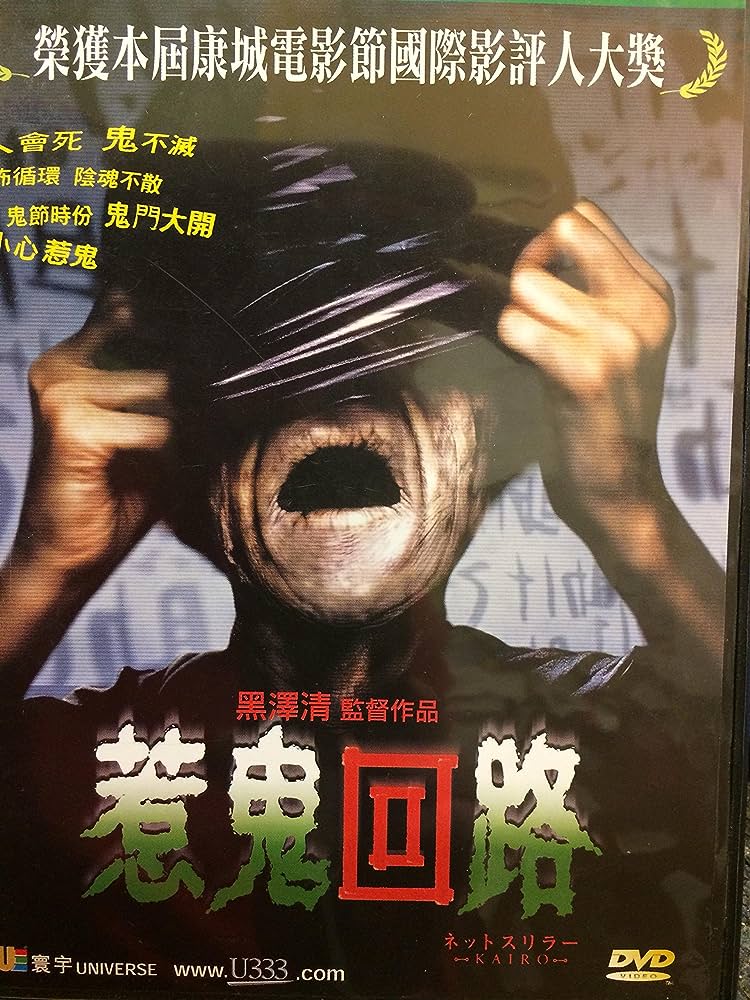
Profile
- Movie: Pulse
- Romaji: Kairo
- Japanese: 回路
- Director: Kiyoshi Kurosawa
- Assistant Director: Takeshi Furusawa
- Writer: Kiyoshi Kurosawa
- Producer: Yasuyoshi Tokuma
- Cinematographer:
- Release Date: February 10, 2001
- Runtime: 118 min.
- Distributor: Toho
- Language: Japanese
- Country: Japan
Plot
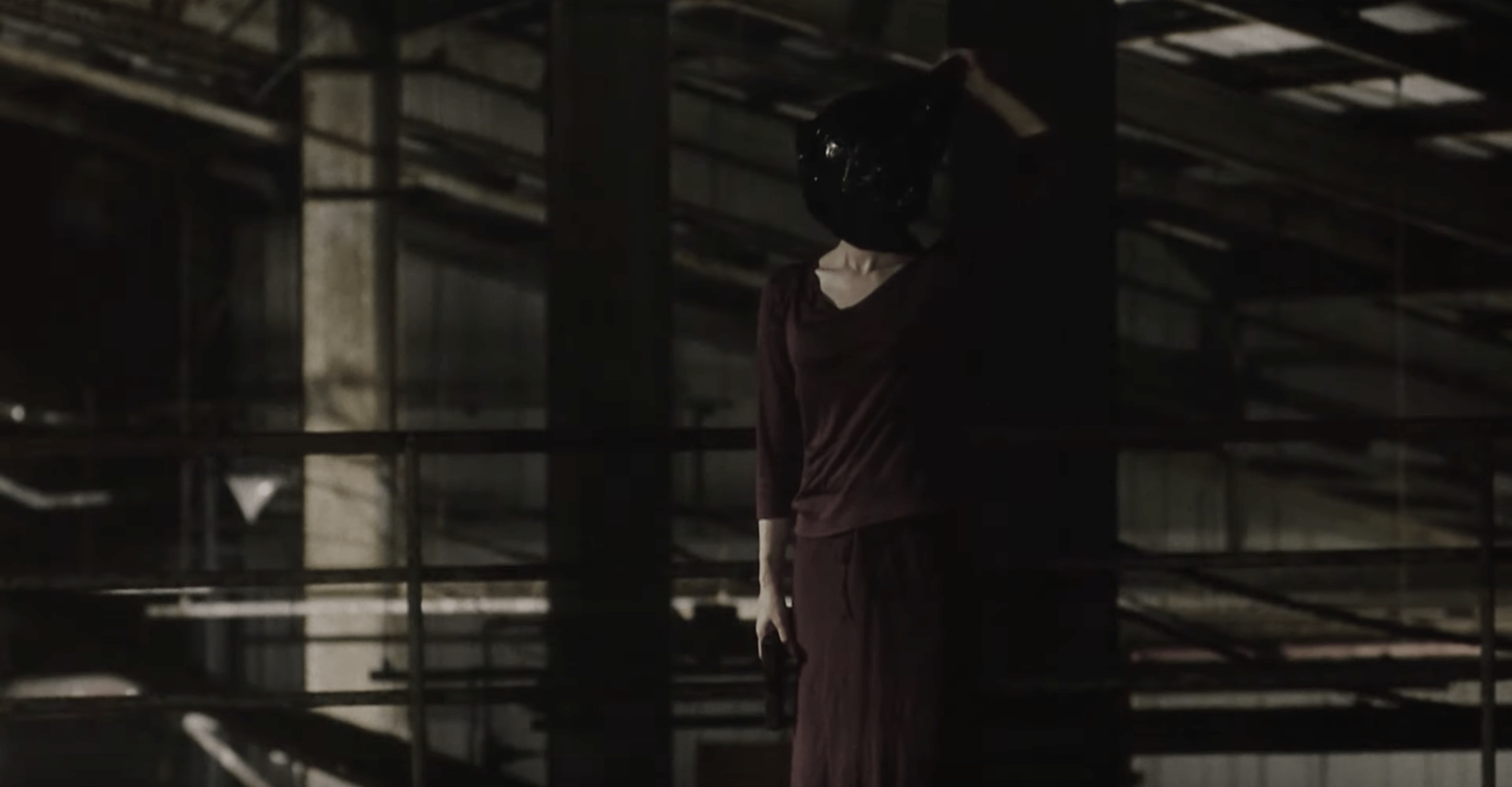
PULSE tells the story of a group of young friends rocked by the sudden suicide of one of their own, and his subsequent, ghostly reappearance in grainy computer and video images. Is their friend trying to contact them from beyond the grave, or is there something much more sinister afoot? The mysterious floppy disk they find in the dead man’s apartment may provide a clue, but instead launches a program that seems to present odd, ethereal transmissions of people engaged in solitary activities in their apartments. But there is something not quite right in the appearance and behaviour of these lonely souls. Soon, there are more strange deaths and disappearances within the group, terrifying rooms sealed in red tape, and the appearance of more ghosts as the city of Tokyo – and the world – is slowly drained of life.
Cast
- Haruhiko Kato – Ryosuke Kawashima
- Kumiko Aso – Michi Kudo
- Koyuki – Harue Karasawa
- Kurume Arisaka – Junko Sasano
- Masatoshi Matsuo – Toshio Yabe
- Shinji Takeda – Yoshizaki
- Jun Fubuki – Michi’s mother
- Shun Sugata – Boss
- Sho Aikawa – Employee
- Koji Yakusho – Ship Captain
- Kenji Mizuhashi – Taguchi
- Takumi Tanji – Man with Bag
- Hassei Takano – Student A
- Atsushi Yuki – Student B
- Go Takashima – Student C
- Masayuki Shionoya – ghost
- Dankan
Exploring the concept of “kairo” in Asian horror films
In the realm of Asian horror films, there is a unique and captivating concept that adds an eerie and chilling element to these cinematic masterpieces – “kairo,” also known as “pulse.” Derived from the Japanese word for “the beat of life,” kairo delves into the intricate web between the living and the dead, blurring the boundaries of reality and the supernatural.
Asian horror films have long been renowned for their ability to send shivers down our spines, but it is the exploration of kairo that truly sets them apart. This concept explores the idea that spirits, restless and disconnected from the mortal realm, can infiltrate our world through technological devices or other avenues. It is the meeting point where the modern and the ancient collide, where the intangible and the corporeal intertwine.
The portrayal of kairo in Asian horror films is nothing short of mesmerizing. It often manifests through haunting visuals, atmospheric soundscapes, and a pervasive sense of dread that lingers long after the credits roll. These films take us on a journey through the darkest corners of human psyche, depicting the repercussions of our actions and the consequences of our ignorance.
One of the most notable examples of kairo in Asian horror is the 2001 Japanese film aptly titled “Kairo” or “Pulse.” Directed by Kiyoshi Kurosawa, this masterpiece explores the isolation and disconnection inherent in modern society, intertwining it with a supernatural force that feeds on the loneliness of its victims. The film’s haunting visuals and slow-burning tension make it an unforgettable exploration of kairo and its impact on our lives.
the essence of “kairo”
“Kairo” refers to the idea of an unseen force or presence that permeates the world, often manifesting itself in unnerving ways. It represents the mysterious and eerie energy that lingers in the shadows, unseen but strongly felt. Some iconic Asian horror films have masterfully captured the essence of “kairo,” immersing audiences in a world where supernatural occurrences and psychological terror intertwine.
One such film is “Ringu” (1998), directed by Hideo Nakata. This Japanese horror classic tells the story of a cursed videotape that brings a terrifying curse upon anyone who watches it. As the film progresses, the sense of “kairo” intensifies, with a creeping unease that seeps into every frame. Nakata skillfully uses atmospheric visuals and a haunting score to create a sense of impending doom, leaving viewers on the edge of their seats.
Another notable film that perfectly captures the essence of “kairo” is “A Tale of Two Sisters” (2003), a South Korean psychological horror film directed by Kim Jee-woon. The movie revolves around two sisters returning home after a stay in a mental institution, only to encounter strange and disturbing events. Kim Jee-woon expertly weaves together elements of mystery, psychological torment, and supernatural occurrences, creating a chilling atmosphere that lingers long after the film ends.
These films, among others, showcase the power of Asian horror cinema in delving into the depths of our fears and exploring the concept of “kairo.” Through atmospheric storytelling, expert direction, and unforgettable visuals, they immerse viewers in a world where the line between reality and the supernatural is blurred. Whether it’s the iconic imagery of Sadako crawling out of a well in “Ringu” or the haunting presence of a vengeful spirit in “A Tale of Two Sisters,” these films leave an indelible mark on the horror genre and continue to captivate audiences with their haunting beauty.



Leave a Reply